Lifestyle
Which Gated Community Amenities Actually Matter, and How to Judge Maintenance Costs

Quick answer
A long amenities list looks good in a brochure, but only some features improve daily life. Learn which gated community amenities matter most, which are nice to have, and how to judge whether a project's maintenance charges are fair and sustainable.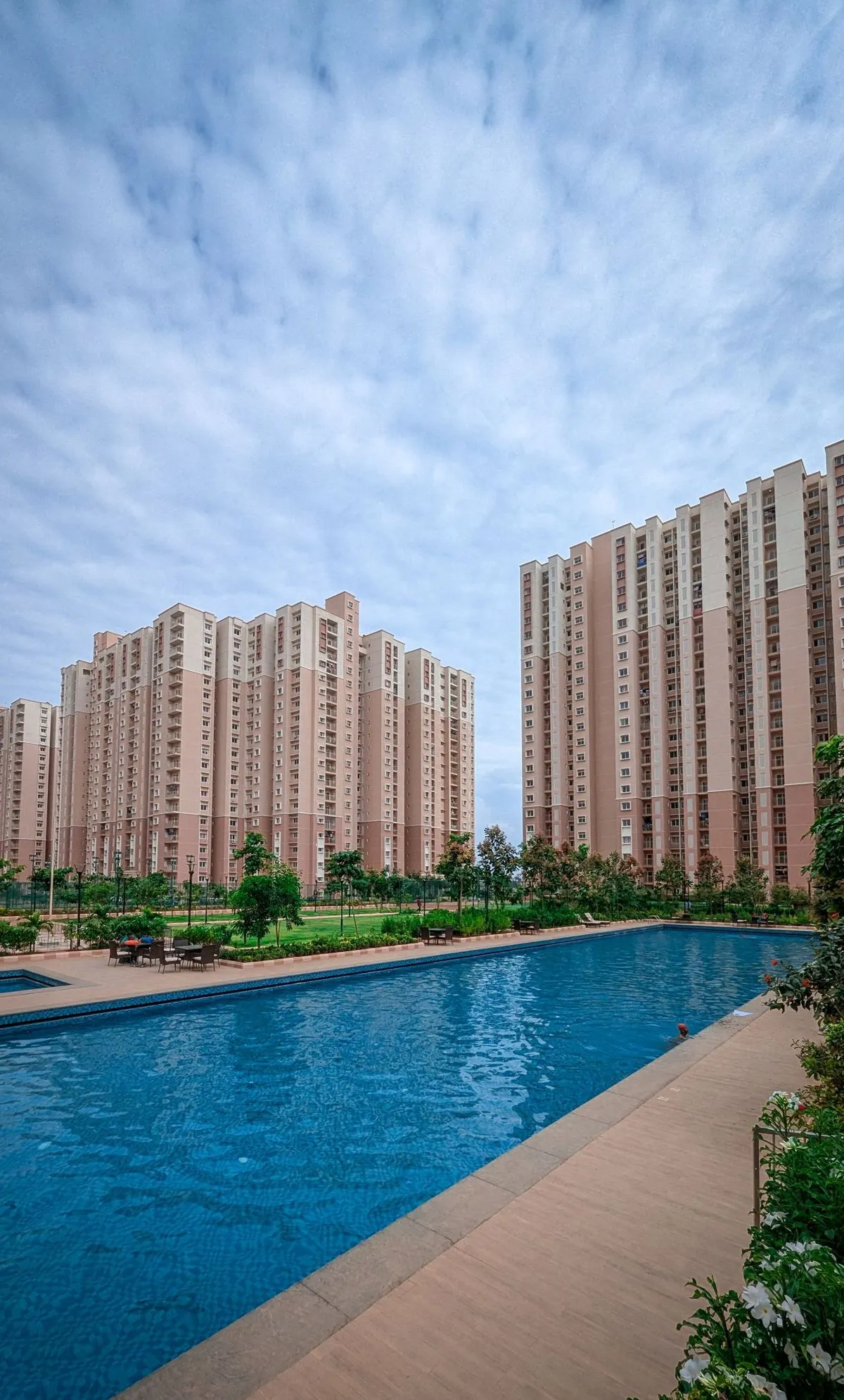
Table of contents (7 sections)
- Essential amenities that affect daily life
- Lifestyle amenities worth having
- Amenities to question
- How maintenance charges are usually calculated
- How to judge whether maintenance is fair
- Plan for the long term
- Frequently asked questions
- Who decides maintenance charges after possession?
- Are more amenities always better?
- What is a sinking fund?
The amenities that matter most in a gated community are the ones you will use every week and the ones that keep the building safe and running: security, power backup, water management, lifts, parking and open space. Features like a large clubhouse or a rooftop pool are enjoyable but add to maintenance costs. Before you buy, check what the maintenance charge covers, how it is calculated and whether the amenities you are paying for suit your family's lifestyle.
Essential amenities that affect daily life
These are the features you will notice every day, and they are worth checking carefully during a site visit.
- Security: Manned gates, CCTV in common areas, visitor management and controlled entry points.
- Power backup: Backup for lifts, common areas and water pumps, and ideally some backup for flats.
- Water supply and storage: Adequate storage tanks, a clear source of supply and, where provided, rainwater harvesting.
- Lifts: Enough lifts for the number of flats per floor, including a service or stretcher lift in taller buildings.
- Parking: Clearly allotted parking, visitor parking and space for two-wheelers.
- Fire safety: Fire detection and fighting systems, clear exits and the required fire NOC.
- Waste management: Organised collection and segregation, and composting if the project provides it.
Lifestyle amenities worth having
These amenities improve quality of life, but how much they matter depends on your family.
- Open green spaces and walking tracks: Used by almost every age group and relatively simple to maintain.
- Children's play area: Important for families with young children. Check that it is safe and away from traffic.
- Gym and multipurpose hall: Useful for daily fitness and society events.
- Senior citizen seating and shaded areas: Valuable for multi-generation families.
- Swimming pool: Popular, but it needs regular cleaning, a lifeguard and ongoing upkeep.
Amenities to question
Some features look impressive in a brochure but see little use once residents move in. A home theatre, a large banquet hall or a very elaborate landscape can add to monthly costs without adding much to everyday life. Ask yourself how often you would realistically use each one. If the answer is rarely, you will still be paying for its upkeep.
How maintenance charges are usually calculated
In most Pune housing societies, maintenance is calculated per square foot of area each month, although the method varies by project and later by the society's decisions. The charge usually covers:
- Security staff, housekeeping and gardening
- Electricity for common areas, lifts and pumps
- Lift, generator and fire system maintenance contracts
- Water charges and tanker costs, where needed
- Clubhouse, pool and gym upkeep
- Insurance and administrative costs
Developers often collect maintenance in advance for an initial period, along with a corpus or sinking fund meant for future repairs. Once the housing society is formed and takes charge, the managing committee sets maintenance charges based on actual expenses.
How to judge whether maintenance is fair
| Question to ask | Why it matters |
|---|---|
| What exactly does the charge include? | Helps you compare projects on a like-for-like basis. |
| Is it charged on carpet area or another area? | The basis of calculation changes the amount you pay. |
| How many flats share the costs? | Larger projects can spread fixed costs across more families. |
| Is there a sinking or corpus fund? | Reduces the risk of sudden large demands for major repairs. |
| What do nearby completed societies pay? | Gives you a realistic idea of long-term costs in the area. |
Speaking to residents of a completed project by the same developer is one of the best ways to understand real maintenance costs and how well amenities are kept.
Plan for the long term
Maintenance is a permanent monthly expense, much like an EMI that never ends. Include it in your monthly budget alongside your loan EMI and utility bills. A project with fewer, well-chosen amenities and sensible maintenance can be a better long-term choice than one with a long list of features. At Shreevardhan Developers, our team explains what the maintenance charge covers for each project before you book, so there are no surprises later.
Frequently asked questions
Who decides maintenance charges after possession?
Initially, the developer usually manages the building and collects maintenance as per the agreement. Once the cooperative housing society or apartment association is formed and handed over, its managing committee decides the charges based on actual expenses and member approval.
Are more amenities always better?
Not necessarily. Each amenity needs staff, electricity and repairs, which increase maintenance. Choose a project whose amenities match how your family actually lives.
What is a sinking fund?
A sinking fund is money set aside by the society for major repairs and replacements in the future, such as painting the building, replacing lifts or waterproofing. It helps avoid sudden large one-time collections from residents.